
The ancient Mesopotamian city of Ur Temple

The ancient Mesopotamian city of Ur Temple

A pyramid shaped stepped temple located in the ancient Mesopotamian city of Ur, near modern-day Nasiria in Iraq. It can be traced back to around 2100 BC. A tall tower built by ancient civilizations such as Sumerians and Babylonians for religious worship. It was built by King Ur Namm of the Third Dynasty of Ur for the Moon Goddess Nanna, who is the sacred guardian of Ur city. Not only is it an important relic of Sumerian civilization, but it is also one of the most significant architectural innovations in the ancient Near East region.
Former Takahashi Family Residence in Japan

Former Takahashi Family Residence in Japan

The former Takahashi family residence is a historically significant building that witnesses the changes of a family and its surrounding community. It was once the private residence of the Takahashi family, where family members lived and worked, leaving behind rich historical and cultural traces. Over time, the Takahashi family may have moved out of this residence for various reasons, and the building may have been transformed into a new use or protected, becoming a part of history. The architectural style, interior decoration, and layout design all reflect the social landscape and family lifestyle of the time. By visiting the former Takahashi family residence, people can gain a deeper understanding of history.
Refurbished mill

Refurbished mill

Mir Town Castle, Belarus

Mir Town Castle, Belarus

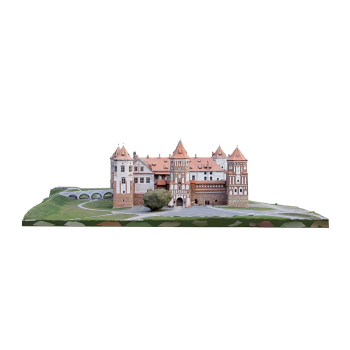
Located in Mir town, Belarus, it is a historic castle complex that was originally built in the late 15th century and showcases the Gothic architectural style. Throughout its long history, the castle has undergone multiple expansions and renovations, blending Renaissance and Baroque styles to form a unique architectural masterpiece. Surrounded by square walls and towers, it has excellent defensive functions, with narrow windows on the walls and the tower capable of firing shells. In 2000, Mir Castle was listed as a UNESCO World Heritage Site due to its unique historical and cultural value. It has become a must visit destination for exploring the history and culture of Belarus.
Japanese roadside shrine

Japanese roadside shrine

Mizumoto Village, a historically significant village located in Japan. This shrine is a sacred place for worshiping the Daozu God, who is a deity in Japanese folk beliefs that protects travelers and ensures road safety. Often located next to the main roads or intersections in the village, so that passing pedestrians can easily worship and pray for a safe journey. It is the center of religious activities and spiritual life for local residents, as well as an important symbol of the village's history and cultural heritage. Reflecting the local traditional craftsmanship and aesthetic concepts. For local residents, this shrine is also a symbol of community cohesion, a part of their shared memory and identity.
Residential houses in Paris, France

Residential houses in Paris, France

A residential building project designed by renowned architect Le Corbusier, located in Paris, France. Renowned for its unique modernist style and innovative design, it is an important embodiment of Le Corbusier's concept of residential architecture. Adopting typical Corbusier style architectural elements, the design aims to provide more natural light and outdoor space, while creating a spacious and flexible living environment. Not only is it the practice of Le Corbusier's architectural philosophy, but it is also an important symbol of the modernist architectural movement. It showcases the innovative spirit of the early 20th century architecture industry and the exploration of future living styles.
Lithuanian Old Church

Lithuanian Old Church

Located in Marijampol ė County, Lithuania, it is a church of significant cultural and historical value. The church was originally built in 1790 and underwent reconstruction in later years. As a nationally protected cultural heritage site, this church attracts tourists and history enthusiasts with its spectacular ruins. The Church of St. Peter and Paul was established to commemorate two outstanding apostles of Jesus Christ, who played a crucial role in the early history of Christianity. Peter is considered the first Pope, while Paul is an important figure in the spread of Christianity.
Classical marble fountain

Classical marble fountain

American Church of God
American Church of God

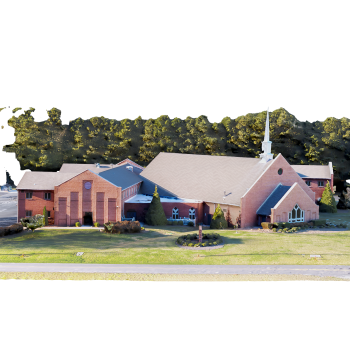
The Church of God is a Christian denomination that originated in late 19th century America. The core of the church's faith emphasizes the authority of the Bible, believing that it is the highest guiding principle for faith and life. Believers are committed to spreading the gospel, emphasizing the baptism of the Holy Spirit and the gift of speaking in tongues (spiritual language), which are important features of their faith practice. The doctrine includes the belief in the Trinity, which is the belief in the God of the Father, the Son, and the Holy Spirit. It also emphasizes the redemption work of Jesus Christ, believing that through faith in Jesus Christ, humanity can receive forgiveness of sins and eternal life. Over time, the Church of God has established many branches and churches worldwide
Colgate Island Seafood Restaurant in England

Colgate Island Seafood Restaurant in England

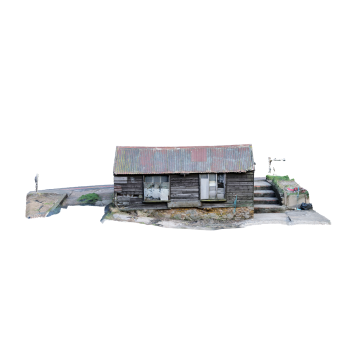
Located on Colgate Island in eastern England, it is a restaurant known for serving fresh seafood. Located on the coastal road of West Mersea, only about 200 meters away from the coastal dock. Geographically unique, it is a part of the easternmost inhabited island in the UK, covering an area of approximately 18 square kilometers. It is loved by diners for its simple and direct dining environment and fresh seafood cuisine. The interior decoration of the restaurant is simple, without excessive decoration, mainly serving seafood. This unique business approach and insistence on freshness of ingredients have become a popular local food destination.
St. Wolfgang Church, Germany

St. Wolfgang Church, Germany

A late Gothic style church located in Rothenburgobder Tauber, Germany. This church was built in the 15th century, funded by the Shepherd's Brotherhood, and was established between approximately 1475 and 1493, hence it is sometimes referred to as the Shepherd's Church. It is part of the local defense system and closely connected to the northern entrance defense works of the city - Blade Fortress. Not only does it have significant architectural structures on the ground, but it also includes underground combat fortifications, which provide valuable examples for studying medieval urban defense. Its unique architectural features combine military and religious elements.
The ruins of the city gate in Winchelsea, UK

The ruins of the city gate in Winchelsea, UK

A historic city gate located in the town of Winchelsea in southeastern England, built in the 13th century, is one of the three surviving medieval city gates in the town. Not only is it a landmark building of Winchelsea, but it is also an important relic on the UK National Heritage List. It used to be an important passage into the town, with a moat surrounding the east side of the town. It not only played a defensive role, but also symbolized the connection between the town and the mainland. Over time, despite changes in the surrounding environment, they have become witnesses to historical changes.
Old British Fireworks Factory

Old British Fireworks Factory

A historic fireworks factory building located in the UK. This building is one of the iconic facilities of WellsFire, a company known for producing high-quality fireworks. The building itself has a unique industrial design style, reflecting the characteristics of industrial architecture from the late 19th century to the early 20th century. Its sturdy structure and spacious space provide an ideal environment for the production and testing of fireworks. It is part of the industrial heritage of the UK, witnessing the development and innovation of fireworks manufacturing techniques, while also carrying a memory of the region's industrial history.
Uzbekistan Palace Ruins

Uzbekistan Palace Ruins

Shahrizabuz, a historic city located in Uzbekistan, was the summer palace of Timur, the founder of the Timurid Empire. Built in the late 14th to early 15th century, it is one of the most magnificent buildings in Central Asia. Its design and decoration showcase the exquisite craftsmanship of architecture and art at that time. It was once the center of power for Timur and his successors, as well as a venue for grand celebrations and diplomatic events. Although the original building was destroyed by Russians in the 19th century, the site is still impressive, with a huge porch and remaining decorative elements that vaguely reflect the glory of that time. Not only is it a cultural heritage of Uzbekistan, but it is also a part of world history.
Mirza Riza khan Residence Gate in Tbilisi

Mirza Riza khan Residence Gate in Tbilisi

Mirza Riza khan's residence in Tbilisi is a historic building located in the city of Tbilisi, Georgia. He is an important figure in the history of Georgia. Built in the 19th century, it showcases the popular architectural style of that time. Featuring traditional Georgian elements. Zhai was once the residence of Mirza Riza khan, an important Persian diplomat and politician. Strengthening diplomatic relations between Persia and Georgia played a crucial role in the 19th century. This building may have witnessed important political discussions and cultural exchanges between Persia and Georgia.
Austrian Mausoleum

Austrian Mausoleum

RyeHarbour lifeboat station in the UK

RyeHarbour lifeboat station in the UK

A historic lifeboat station located in RyeHarbour, UK. Built in 1926, it is one of the most famous lifeboat stations in the UK. Renowned for its long history and heroic rescue operations. Built with bricks and stones, it has a typical seaside architectural style. Carrying the memories of many heroic life-saving actions. It is a professional lifeboat team base dedicated to rescuing trapped ships and distressed crew members. Respect and commemoration for the lifeboat team. It is an important symbol of British maritime security and a tribute to those who sacrificed heroically in rescue operations.
Baltimore Labor Opportunity Center, USA

Baltimore Labor Opportunity Center, USA

An educational project located in Baltimore, USA. The project aims to provide students in Baltimore with opportunities for on-site learning and community engagement. The goal is to collaborate with schools, communities, and business partners to provide students with diverse educational experiences, cultivate their leadership, environmental awareness, and community engagement abilities. This may include outdoor educational activities, environmental science courses, art and performing arts projects, and community service projects. Students can visit local parks, water bodies, farms, museums, and other places to experience natural and cultural resources firsthand. Create a meaningful and challenging learning environment for students.
Scenes around Lemu Church in Finland

Scenes around Lemu Church in Finland

Lemu Church and its surroundings are located in the Masku region of Finland and are a historic church. Built in the 15th century AD, it is one of the oldest wooden churches in Finland. Renowned for its unique architectural style and ancient cultural heritage. Constructed from wood and featuring traditional Finnish architectural style. The Masku area is surrounded by beautiful scenery and pleasant environment. There may be pleasant fields, lakes, and forests in the surrounding area, making it a favorite place for tourists and believers. As a part of Finnish culture and history, Lemu Church and its surrounding attractions are important windows into understanding traditional Finnish architecture and religious beliefs.
Kubyauk gyi Temple in Bagan, Myanmar

Kubyauk gyi Temple in Bagan, Myanmar

It is an important historical site located in the famous Bagan region of Myanmar. Built in the 10th century AD, it is a Buddhist temple. It is one of the well preserved ancient buildings in the Bagan region. Renowned for its exquisite murals. The murals inside the temple depict Buddhist stories and traditional patterns, with strong cultural and religious significance. Built with red bricks, it has a typical Burmese architectural style. There is a towering dome and delicate decorations that embody the unique charm of Burmese art. Despite experiencing the baptism of time and natural disasters, it remains an important destination for tourists and believers in the Bagan region.
Entrance to the Barbican Ironhouse in London, UK

Entrance to the Barbican Ironhouse in London, UK

The entrance to Aldersgate Street's Ironman Hall in the Barbican area of London is an important gateway to this famous cultural complex. Located in the heart of the City of London, it was designed by Chamberlin, Powell, and Bon Architects and is an outstanding representative of post-war modernist architecture. As part of the Barbican Center, it embodies the unique architectural style of the region, known as the 'Brutalist' style, characterized by exposed concrete surfaces and bold geometric shapes.
Howard Peter Rollins College of Music, USA

Howard Peter Rollins College of Music, USA

Located in Baltimore, Maryland, USA, it is an art institution that combines educational and exhibition functions. Known for its rich music curriculum and artistic activities, it provides comprehensive training from basic music education to professional performing arts. Committed to cultivating musicians and artists, promoting the development of local art and culture, and providing diverse cultural experiences for the community. By organizing various concerts, workshops, and lectures, it has become an important part of Baltimore's cultural life, providing a platform for citizens and tourists to appreciate and learn about the arts. The building itself is also a work of art, with its unique design style and historical value.
The guardhouse next to the ruins of the Castle of Cutesto in England

The guardhouse next to the ruins of the Castle of Cutesto in England

Ancient barn in Finland

Ancient barn in Finland

This ancient barn located in Paimio, Finland was built in 1832 and has significant historical and cultural value. Just a facility for storing grains, it also provides a unique social service: in years of low harvest, people can borrow grains here to ensure they can get through difficult times. It reflects the spirit of mutual assistance and the emphasis on agricultural stability in the society at that time. Over time, although its actual function may have changed, it remains a part of the history of the Paimio region, attracting tourists interested in historical architecture and Finnish cultural heritage.